
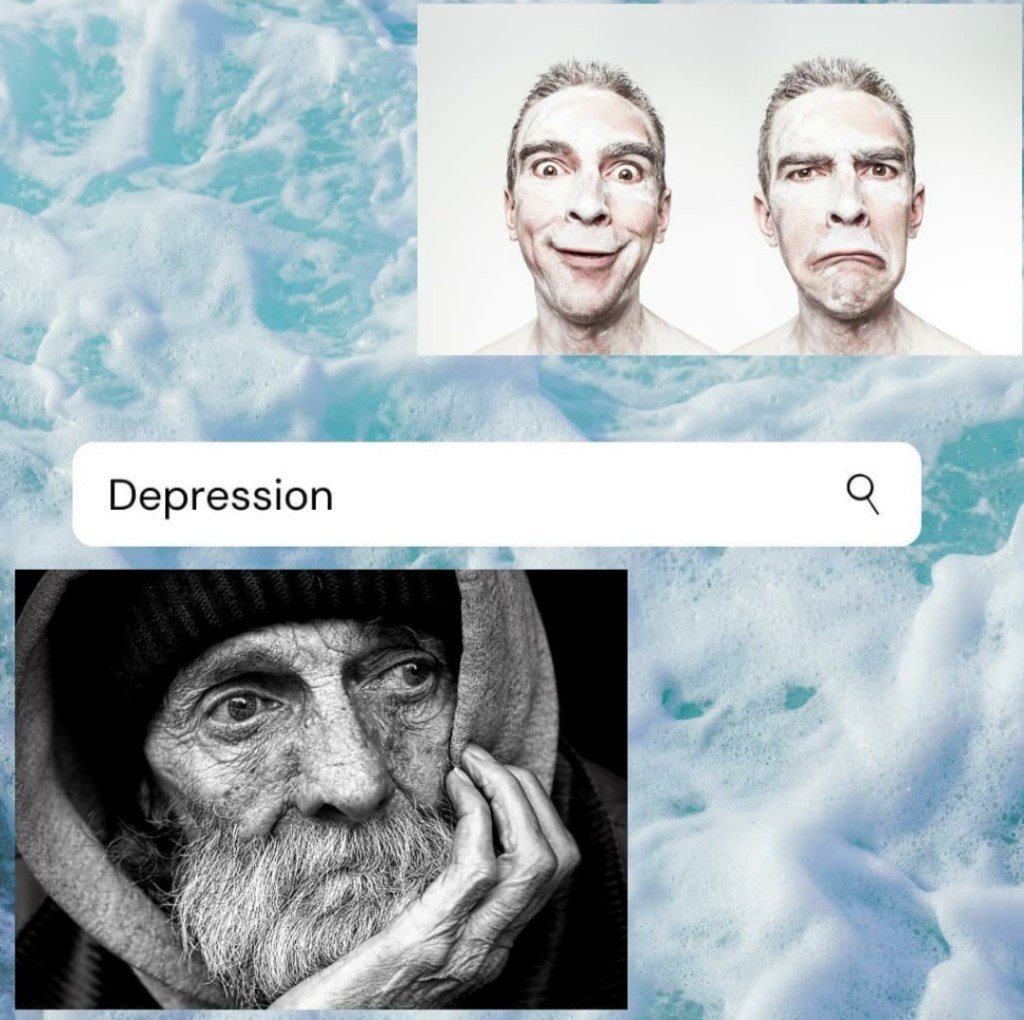
Depression (major depressive disorder) is a common and severe medical condition which has a negative effect on how you feel, how you think and how you act. When enjoyed, depression triggers feelings of distress and/or a lack of interest in hobbies.
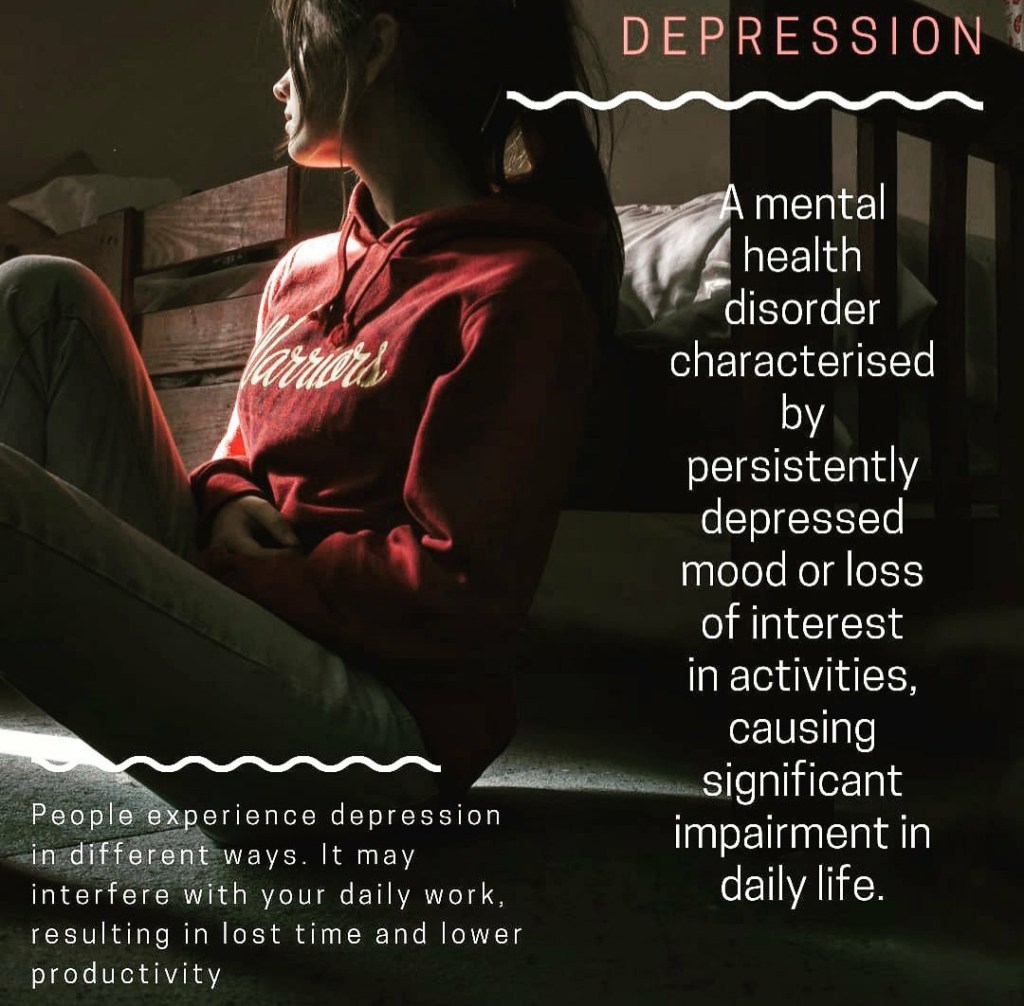
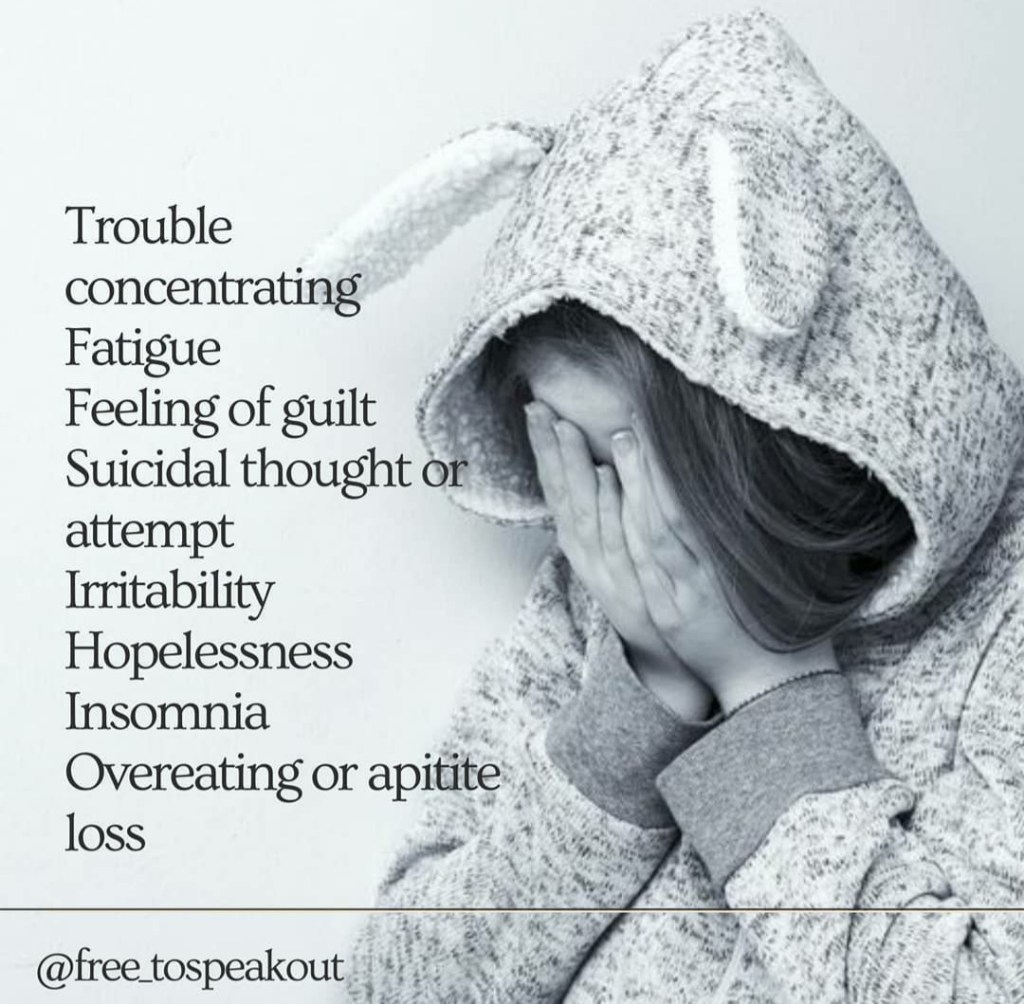
Depression symptoms can vary from mild to severe and can include:
- Feeling sad or having a depressed mood.
- Loss of interest or pleasure in activities once enjoyed.
- Changes in appetite — weight loss or gain unrelated to dieting.
- Trouble sleeping or sleeping too much.
- Loss of energy or increased fatigue.
- Increase in purposeless physical activity or slowed movements and speech.
- Feeling worthless or guilty.
- Difficulty thinking, concentrating or making decisions.
- Thoughts of death or suicide.
- Feeling restless or irritable.
- Isolation from family and friends.
- Drugs or alcohol abuse, a drop in school\college performance.
Worldwide, more than 264 million people have experienced depression. Depression is distinct from the normal changes in mood and short-lived emotional reactions to daily problems. Depression can become a serious health condition, particularly when it is long-lasting and with moderate to extreme severity. It may cause the person who is affected to suffer greatly and perform poorly at work, in school and the family. Depression at its worst can lead to suicide. Near to 800, 000 people die each year from suicide. Suicide in 15-29 year old is the second leading cause of death.
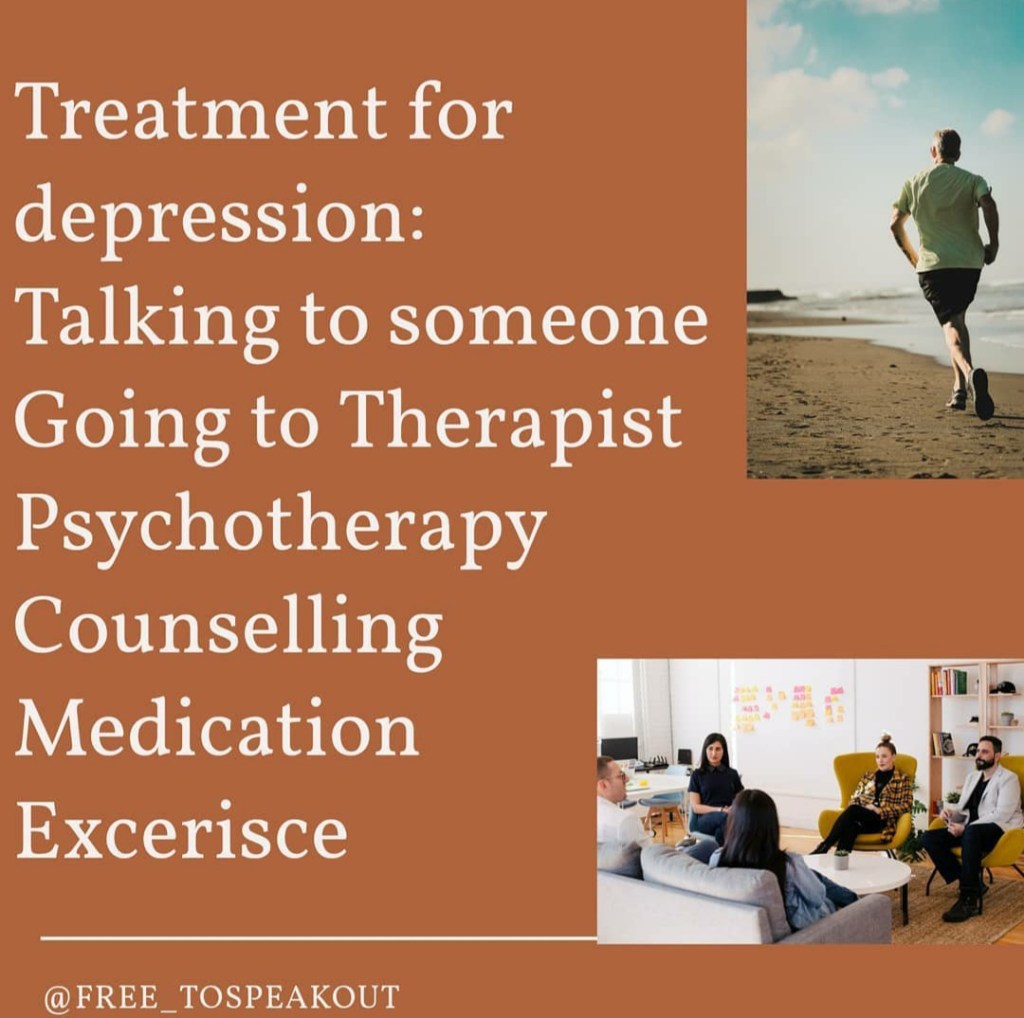
Therapies for moderate to extreme depression are successful. Psychological therapies such as behavioral stimulation, cognitive behavioral therapy and interpersonal psychotherapy, or antidepressant medications such as selective serotonin re-uptake inhibitors and tricyclic antidepressants can be provided by health care providers. Health care providers should be aware of potential adverse effects associated with antidepressant drugs, the ability to provide any intervention, and individual preferences. Person and/or community face-to-face psychological services provided by practitioners and supervised lay therapists provide different psychological therapy types for consideration. Often psycho social therapies are effective for moderate depression. Antidepressants can be an important way of therapy for pretty serious depression, but they are not the first line of treatment for mild depression cases.
Follow our page on Instagram and Facebook. The name for both the pages are @free_tospeakout. You are free to direct message (dm) or message us on any of two social media mentioned. You can also decide that which disorder we need to talk. Thank you.
-Nikita Sharma.
 free_tospeakout